Search engine optimization (SEO) is the key to increasing visibility and driving organic traffic to your website. With millions of websites competing for attention, your business needs a strategic edge to stand out on search engines like Google and Bing. Whether you’re a small business, eCommerce store, or service provider, proper SEO can improve your rankings, increase credibility, and ultimately, boost revenue.
With effective SEO practices:
- Your business appears in front of people actively searching for what you offer.
- It provides long-term, cost-effective traffic compared to paid ads.
- SEO helps you understand your audience better, aligning content with their needs and search behaviors.
Over the next 30 days, I’ll be sharing one actionable SEO tip per day to help you systematically optimize your website. Following this structured approach will allow you to:
- Build SEO expertise gradually without being overwhelmed.
- Make incremental improvements that compound over time, resulting in significant traffic and ranking boosts.
- Understand the reasons behind each tip, helping you make informed decisions about your SEO strategy.
By implementing these tips step-by-step, you’ll lay a strong foundation that improves your site’s performance, user experience, and conversion rates.

Why Should You Optimize Title Tags?
Title tags are one of the most important on-page SEO elements. They are the first thing users and search engines see when your website appears in search results. A well-optimized title tag directly influences click-through rates (CTR) and rankings.
Here’s why it matters:
- Improves Search Engine Rankings: Search engines use title tags to understand the content of your page. Optimizing them helps Google rank your page for relevant keywords.
- Increases CTR: A compelling title tag makes your listing stand out in search results, attracting more clicks.
- Enhances User Experience: Users get a clear idea of what to expect from your content, improving the chances they will find your page helpful.
- Include the Primary Keyword: Your main keyword should appear at the start of the title for better relevancy.
- Keep it Under 60 Characters: Search engines display only the first 50-60 characters, so keep it concise.
- Be Descriptive but Compelling: Write titles that clearly describe the page’s content but also entice users to click.
- Avoid Keyword Stuffing: Use your keywords naturally and avoid repetition.
Example:
If you run an online coffee store, a poorly optimized title tag might be:
Buy Coffee Beans and Coffee Products Online – Best Prices Here
A better-optimized title tag could be:
Premium Coffee Beans – Freshly Roasted & Delivered Fast | YourCoffeeShop
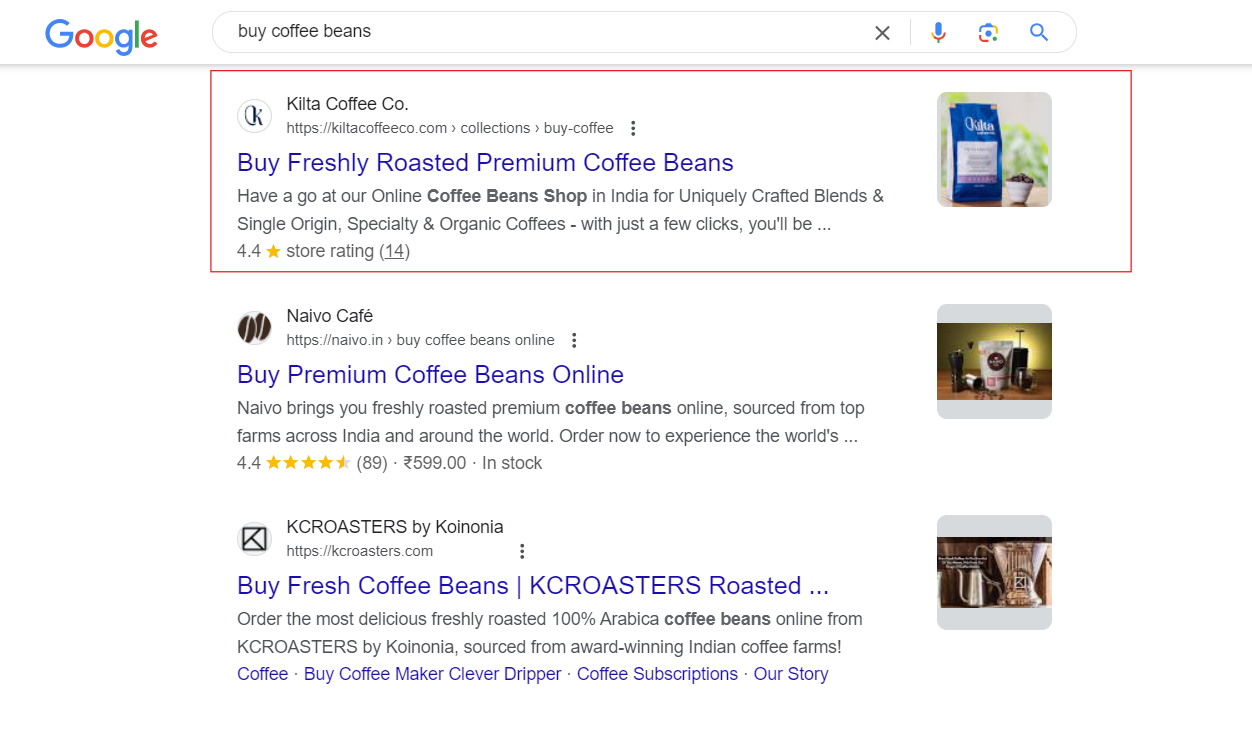
Optimizing your title tags can lead to:
- Improved Ranking Positions: Targeted and relevant title tags increase your chances of appearing in top search results.
- Higher Click-Through Rates (CTR): A well-crafted title tag can grab user attention, leading to more clicks and potential conversions.
- Better User Engagement: Once users land on your site, a relevant title tag sets clear expectations, reducing bounce rates.
Conclusion
Ready to kickstart your SEO journey? Subscribe now to receive daily SEO tips directly in your inbox! Each day’s tip will include actionable insights to boost your rankings, drive traffic, and grow your business. Don’t miss out on the opportunity to transform your website’s performance—sign up today and get started with Day 1: Optimizing Title Tags!
Need help or want to ensure everything is set up correctly? Contact our team of experts today, and we’ll make sure your Website is optimized for success!